In a significant initiative to enhance Malawi’s immunization system, the Ministry of Health, with support from the World Health Organization (WHO) and GAVI, The Vaccine Alliance, successfully trained over 18,659 zonal personnel as of 30th November 2025. Of those trained, 9,208 were male (54%) and 9,451 were female (46%). Among the participants, 17,448 were Health Surveillance Assistants, 53 were clinicians, 205 were nurses, and 516 served as cluster or team supervisors.
The training was grounded in the WHO/UNICEF Immunization in Practice (IIP) curriculum, which provided practical, evidence-based guidance on all aspects of immunization. It covered critical areas such as programme management, vaccine safety, cold chain logistics, outbreak response, and immunization in emergencies. The training also taught health workers about giving vaccines to children in their second year and to people at different ages throughout their lives. Plus, it used special WHO training materials to make sure what they learned was useful and could be put into practice in real-life situations.
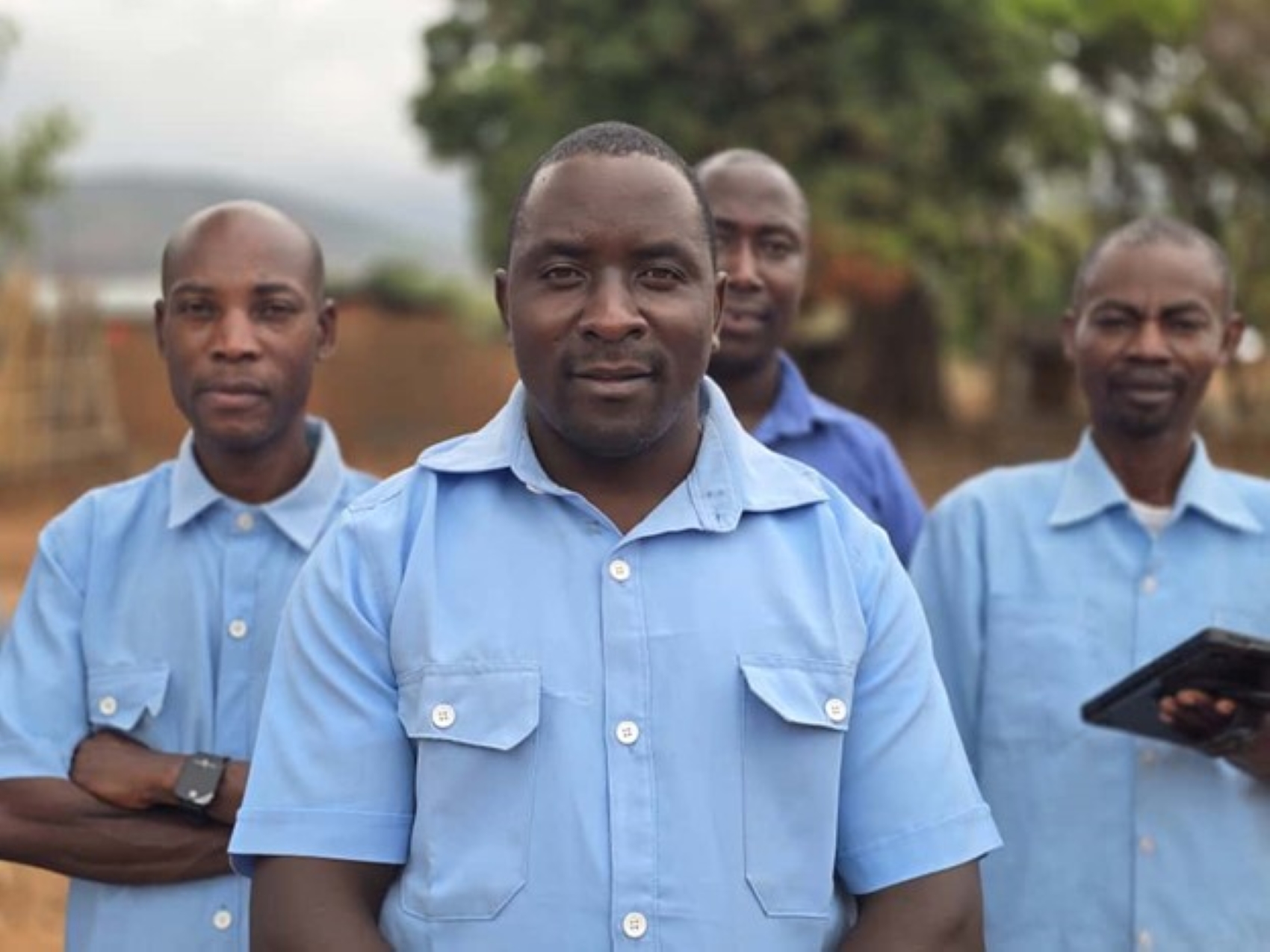
This initiative was launched in response to findings from the WHO-supported Comprehensive EPI Review 2023, which revealed significant knowledge and practice gaps among newly recruited HSAs. While pre-deployment training had been provided, the Ministry recognized the need for more in-depth, hands-on capacity building. The training also served as a refresher for experienced HSAs, tailored to documented needs.
Throughout the training, participants gained a comprehensive set of skills essential for strengthening Malawi’s immunization efforts. They learned how to monitor immunization coverage and track trends in vaccine-preventable diseases, enabling them to identify areas needing additional attention. The curriculum emphasized the importance of safe vaccine storage, transport, and administration, ensuring that vaccines reached communities without compromise to quality or safety.
In addition, the trainees were taught to implement robust monitoring and evaluation systems, which are vital for assessing program effectiveness and guiding future improvements. They developed practical abilities to create and execute immunization policies and plans tailored to local needs, thereby enhancing the impact of vaccination campaigns.
Frontline workers were empowered to deliver vaccines efficiently and safely to target populations, while also strengthening supply chain systems to minimize disruptions and maintain consistent access to vaccines. Finally, the training provided guidance on applying the Reaching Every Child (REC) and Reaching Every District (RED) strategies. These approaches are crucial for extending immunization services to under-immunized and zero-dose populations, ensuring no child is left behind.
The training employed a blended learning approach, combining desk reviews, facilitator-led sessions, group work, hands-on practice, and plenary discussions.
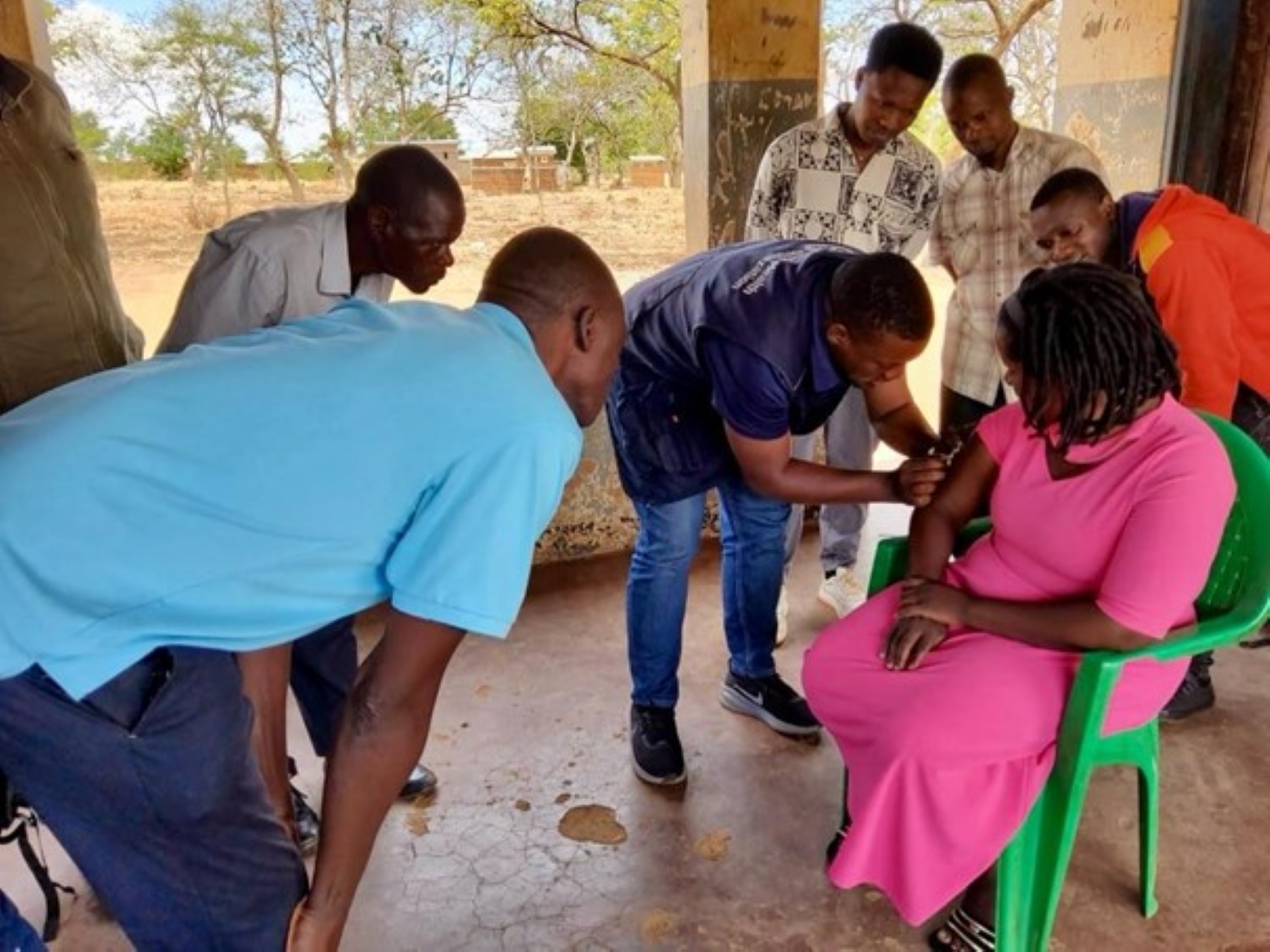
Mr. Thomas Luba, a participant, highlighted the benefits of the training, noting that it provided a platform for experience sharing on addressing erroneous practices, guided by the knowledge gained from the standardized processes shared during the training.
This initiative represented a significant investment in the development of Malawi’s health system. By equipping frontline personnel with essential tools and knowledge, the Ministry of Health worked to ensure that every child across all communities received access to vital vaccines. This undertaking aligned with the goals of the National Immunization Strategy and the Global Immunization Agenda 2030, furthering equitable provision of core health services nationwide.
bunyao [at] who.int (bunyao[at]who[dot]int)
+265 999 930 280